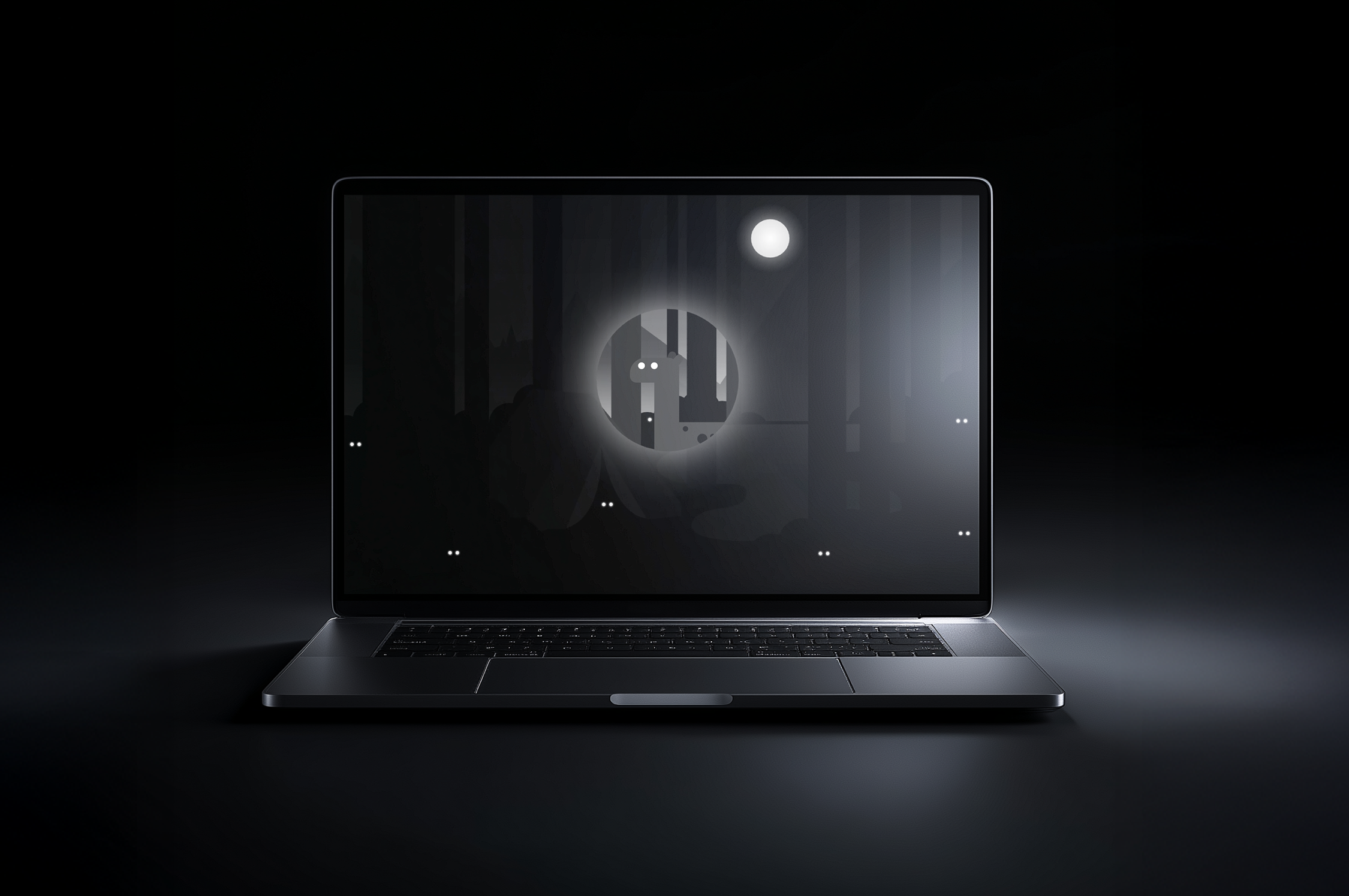
01 · Overview
What is this project?
An interactive motion project built in Rive where users explore a forest and discover cryptids with motion-based feedback. This project was meant to explore motion feedback and interactive animation using Rive and Vibe-Coding, experimenting with dynamic inputs and environmental triggers while being inspired by cryptid lore and playful discovery.
02 · Goals
What I set out to do
Project Goals
- Motion Feedback: Communicate interactions clearly through animation
- Dynamic Inputs: Enable playful discovery through environmental triggers
- Interactive Animation: Build immersive experiences with Rive and Vibe-Coding
03 · Design Process
Building the experience
Visual Style
The visual direction uses a monochromatic, desaturated noir-inspired vector style, reinforcing the sense of mystery and atmosphere while keeping the interface cohesive and focused.
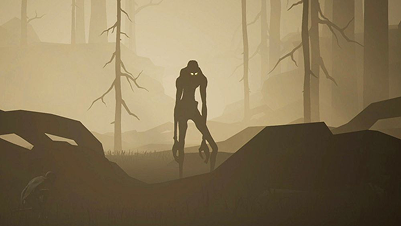
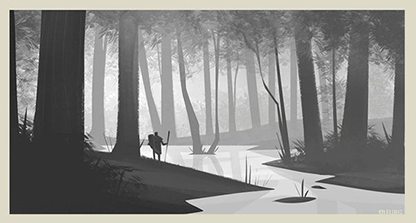
The environment was illustrated as a fairly simple vector form along with simplistic cryptid vectors that can be discovered within the environment while still maintaining visual cohesion.
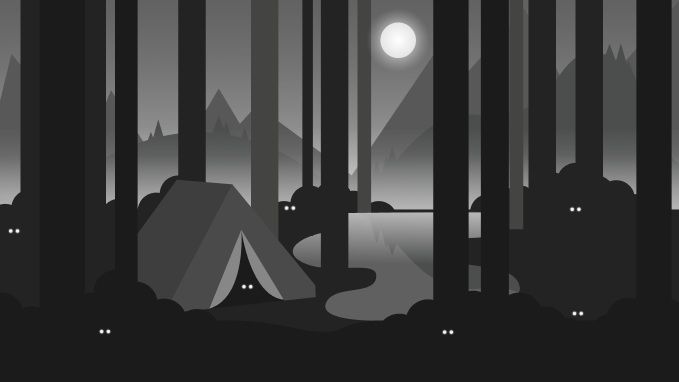
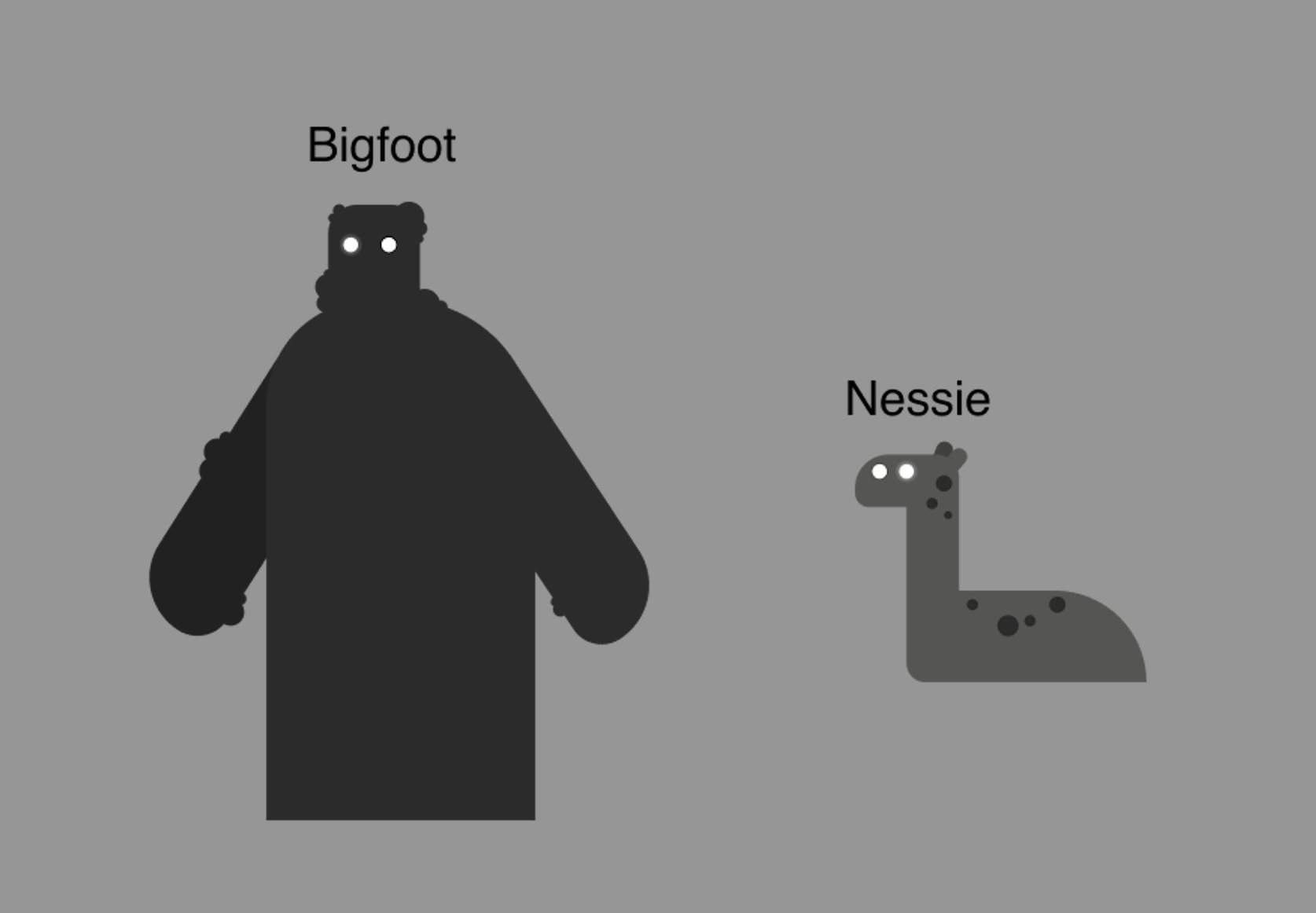
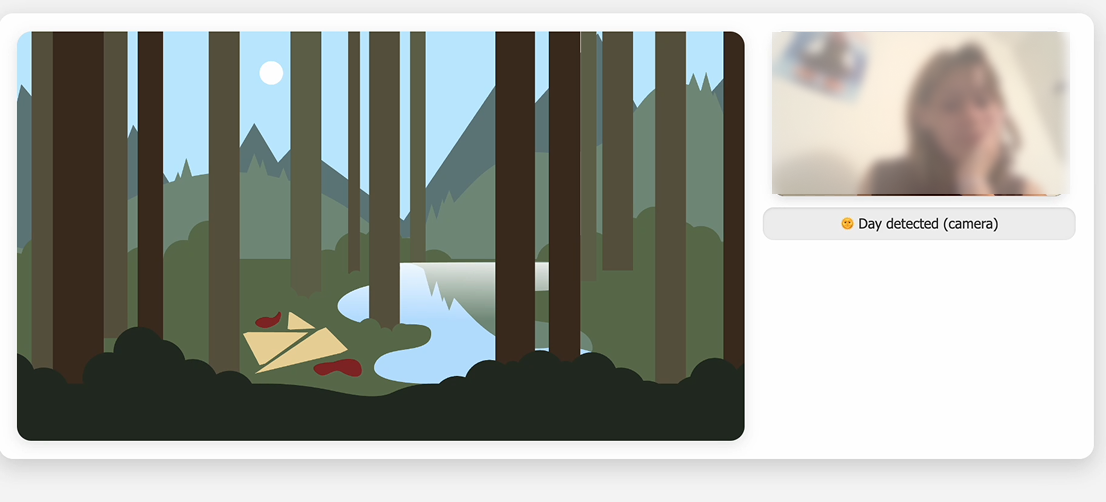
I also designed a daytime variation of the environment to allow for an alternative way to interact with the scene by swapping between day and night to enhance the storytelling.
Rive Animation
I used Rive to create motion-driven interactivity, giving each cryptid responsive animations that guide discovery and keep the experience playful. Rive enabled smooth transitions and interactive triggers that made the world feel alive.
Bigfoot and Nessie hide animations triggered on click.
I added hide animations for Bigfoot and Nessie that trigger when users click on them. Each creature has two timelines (idle and hiding), allowing smooth motion between states. A Time input controls the day/night transition, creating a dynamic and responsive environment.
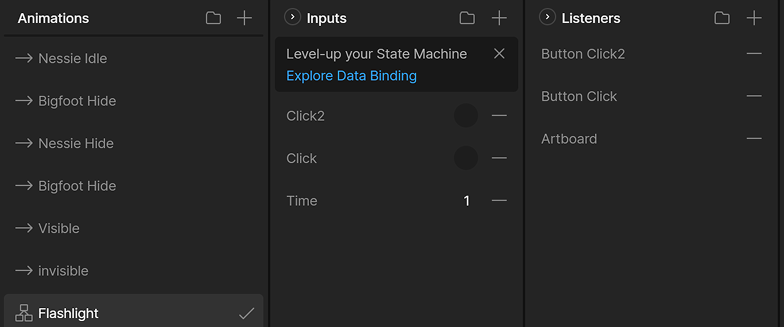
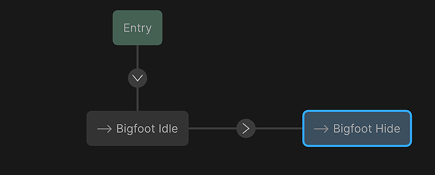
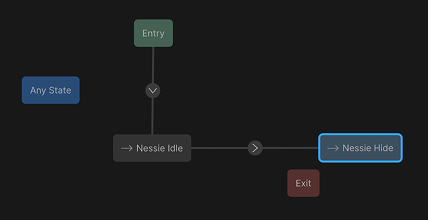
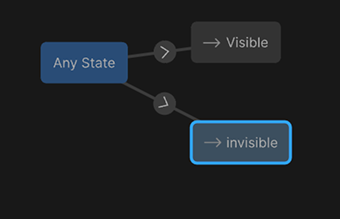
Each cryptid's hide animation uses two timelines (idle + hiding) and integrates with a global Time input for environmental responsiveness.
Vibe-Coding
In this phase, I worked iteratively with AI, learning that effective prompting needs precise and small adjustments to lead toward more complex interactive results.


Vibe-Coding allowed me to experiment with unconventional inputs like lighting-based day/night changes, letting user actions dynamically influence cryptid behavior and push the boundaries of interactive discovery.
04 · Reflection
What I learned
Motion is essential for feedback and understanding interactions, even in an illustrative style. In future iterations, I'd provide clearer cues for user discovery while keeping exploration playful.